

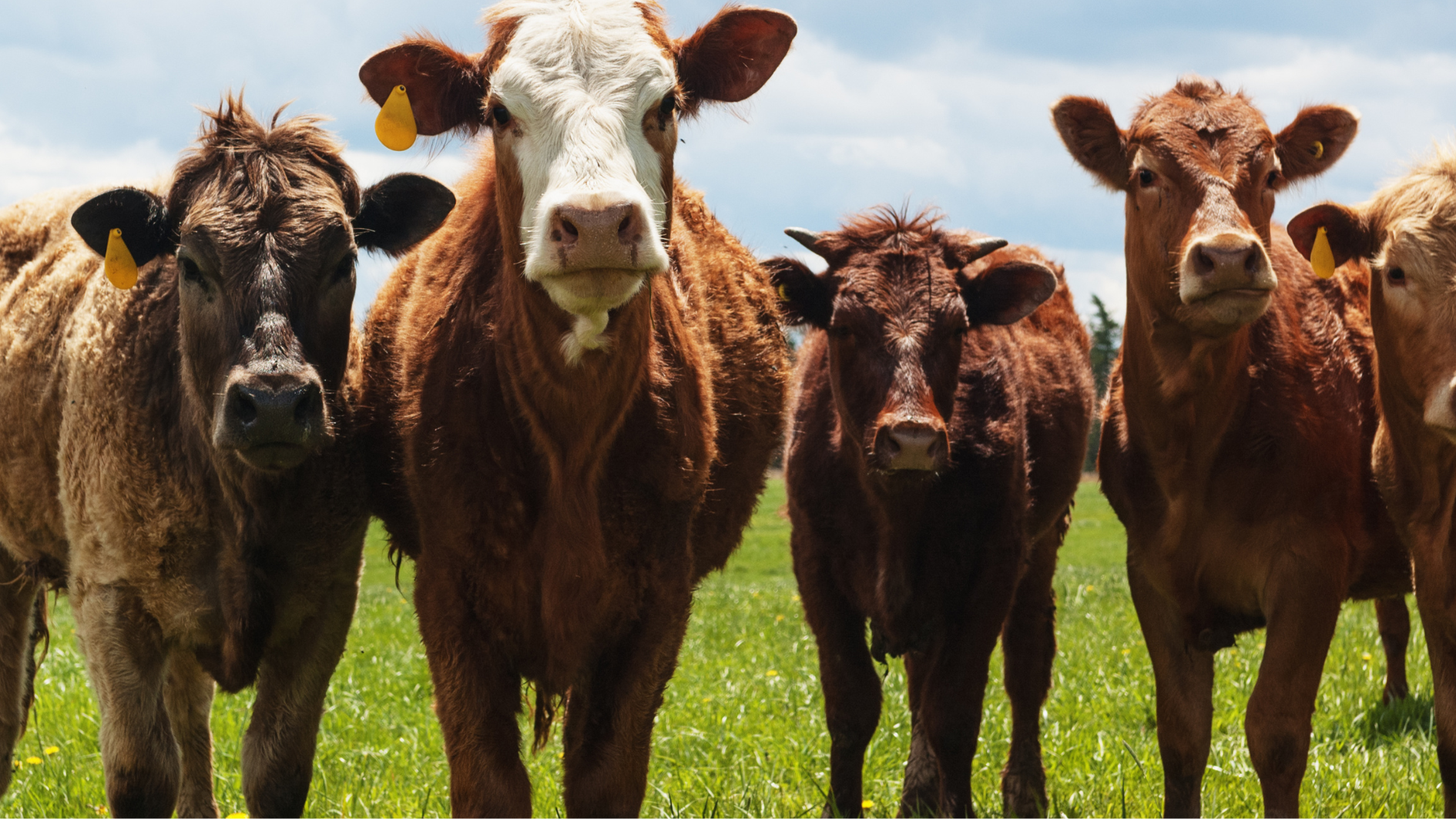
The Power of Beef: Foundational Nutrition First
When guiding patients toward optimal health, particularly regarding metabolic function and hormonal balance, there is a fundamental emphasis on quality animal protein and fat. Beef, regardless of how it is raised, remains a dense source of critical nutrients that are often challenging to obtain in sufficient quantities from plant-based foods alone.
Therefore, the first, most important step is simply ensuring that good, high-quality beef is a regular part of the diet. The goal is to provide the body with the raw materials it needs to thrive.
The Science-Backed Nutritional Advantages of All Beef
Beef provides essential components for robust health:
- Complete Protein: Beef is a complete protein, meaning it contains all nine essential amino acids necessary for muscle repair, enzyme production, and cellular function.
- Essential Minerals: It is a rich source of highly bioavailable iron (heme iron), zinc, and B vitamins (especially B12), which are vital for energy production and neurological health.
- Building Blocks for Hormones: Crucially, beef provides the necessary cholesterol and fats required to synthesize all steroid hormones, including estrogen, progesterone, and testosterone, which are the foundation of a well-regulated endocrine system.
Why Grass-Fed Beef is the Superior Choice (When Accessible)
While all beef offers immense nutritional value, the diet of grass-fed cattle creates a superior product worth prioritizing if it is both affordable and accessible in your area. This difference is rooted in the fatty acid profile:
1. Superior Fatty Acid Profile
- Omega-3 Fatty Acids: Grass-fed beef contains a higher concentration of beneficial Omega-3 fatty acids (like ALA, EPA, and DHA). These are powerful anti-inflammatory agents, crucial for cellular health.
- Optimal Ratio: The ratio of Omega-6 to Omega-3 fatty acids is often far better in grass-fed beef, typically closer to a balanced ratio, which supports the body's natural anti-inflammatory processes.
2. The Power of Conjugated Linoleic Acid (CLA)
Grass-fed beef is one of the best natural sources of Conjugated Linoleic Acid (CLA). This naturally occurring fat has been linked to improved insulin sensitivity and possesses significant antioxidant properties, which help protect cells from damage.
3. Increased Vitamins
Due to their natural, nutrient-rich diet of grass, these cattle produce meat with higher levels of antioxidants like Vitamin E and beta-carotene (a precursor to Vitamin A). These fat-soluble vitamins are crucial for protecting delicate cells from oxidative stress.
Final Recommendations: Prioritize, But Don't Prohibit
The goal should always be to provide your body with the highest quality fuel possible.
- Prioritize Quality Protein: Ensure you are consuming enough high-quality, whole-food sources of animal protein like beef regularly.
- Opt for Grass-Fed If Practical: If grass-fed beef is readily available and fits your budget, it is the nutritionally superior choice, particularly due to its optimal fat profile.
- Choose the Best You Can Afford: If grass-fed is cost-prohibitive or unavailable, do not hesitate to purchase store-bought beef. The fundamental nutrients—protein, iron, zinc, and B12—remain invaluable and far outweigh the risks of cutting beef out of your diet entirely.
Consuming quality beef is a powerful step toward maintaining metabolic health and energy. Focus on consistency first, and optimize for grass-fed when you can.