
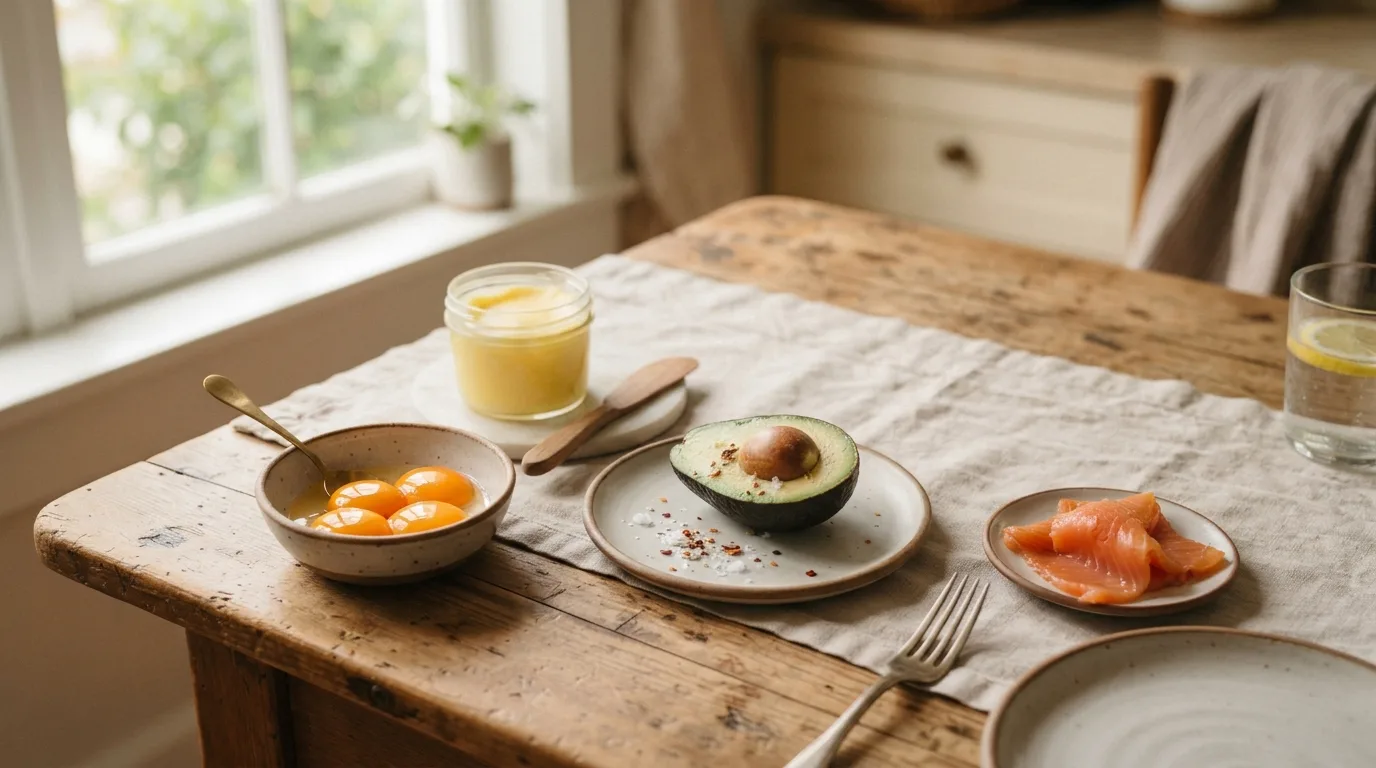
Walk down any grocery aisle today, and the message is hard to miss. High-protein cereals, protein-fortified coffees, lean chicken breasts, and chalky protein powders fill every shelf. Modern wellness culture has convinced millions of people that stacking lean protein at every meal is the secret to energy, longevity, and vibrant health.
In clinical fertility practice, a very different story plays out. Patients often arrive struggling with hormonal imbalances, irregular cycles, low energy, or fertility challenges. Many of them are eating plenty of lean protein and almost no fat.
Human biology tells a simple truth. Protein has its place, but healthy fat is the real foundation of cellular, metabolic, and reproductive health.
The Problem With Overloading on Lean Protein
Protein is made of amino acids, the structural bricks of the body. You need them to repair tissue and maintain muscle. But the body is not designed to run on protein as a primary fuel source, and it cannot store excess amino acids the way it stores energy.
When you eat large amounts of lean protein without adequate fat, several bottlenecks show up.
- The gluconeogenesis trap. When the body takes in excess protein without fat for energy, the liver converts those extra amino acids into glucose through a process called gluconeogenesis. Instead of stabilizing your metabolism, an overabundance of lean protein can quietly raise blood sugar and insulin, which may drive inflammation and disrupt ovulatory function.
- Metabolic strain. Processing the extra nitrogen from high-protein, low-fat eating places added workload on the liver and kidneys while leaving your cells short on sustained, clean-burning energy.
- Missing fat-soluble nutrients. Nature rarely packages protein without fat. When people strip away egg yolks, choose skinless poultry, or reach for fat-free dairy, they discard the exact vitamins their cells need. Vitamins A, D, E, and K2 help the body absorb minerals and regulate reproductive signaling.
Why Fat Is the Real Star of Fertility and Hormone Health
For decades, dietary fat was unfairly blamed, and an entire generation learned to fear butter, egg yolks, and fatty cuts of meat. Yet from a reproductive standpoint, fat is non-negotiable.
Cholesterol Is the Mother of All Hormones
Every sex hormone in the human body, including estrogen, progesterone, and testosterone, is built directly from cholesterol. Without adequate dietary fat and cholesterol, the endocrine system lacks the raw materials it needs to build balanced hormones, support healthy egg and sperm development, and maintain a receptive uterine lining.
Cellular Membrane Integrity
Every cell in your body, including developing eggs and sperm, is wrapped in a lipid bilayer made mostly of saturated and monounsaturated fats. Healthy fats keep cell membranes resilient, flexible, and protected against oxidative stress.
Calm, Steady Energy Without Insulin Spikes
Unlike carbohydrates or excess protein, dietary fat does not trigger insulin surges. Keeping insulin low and steady is one of the most powerful ways to calm chronic inflammation, support conditions like PCOS, and create an internal environment where reproduction can thrive.
Brain and Nervous System Support
The human brain is roughly 60 percent fat. Nourishing the body with rich, natural fats supports neurotransmitter production, eases anxiety, and helps regulate the hypothalamic-pituitary-ovarian axis, the master communication line between your brain and your reproductive organs.
Shifting Your Plate Back to Nature's Design
Reclaiming your metabolic and reproductive vitality does not require complicated macro-tracking or synthetic shakes. It starts with returning to whole, ancestral foods, eaten the way nature made them.
- Choose whole eggs over egg-white omelets. The golden yolk holds the choline, cholesterol, and fat-soluble vitamins your cells rely on.
- Embrace quality animal fats such as grass-fed butter, ghee, tallow, and well-marbled, pasture-raised meats.
- Prioritize fatty fish like wild-caught salmon and sardines for bioavailable omega-3 fatty acids, DHA and EPA.
- Skip ultra-processed protein snacks and lean into simple, satisfying meals built around healthy fats and moderate, naturally fatty proteins.
When you stop fearing fat and stop forcing excess lean protein, your body finally gets the signal that it is safe, nourished, and supported. Hormones settle, inflammation quiets, and whole-body wellness has room to flourish.