

Elevating Metabolic Health: The Move to an All-Animal Diet
For many, the ketogenic diet serves as a powerful introduction to the benefits of fat-based metabolism. However, for those seeking to further reduce systemic inflammation and optimize digestive health, moving toward a carnivore—or "Zero Carb"—lifestyle is the logical next step. While keto introduces the body to fat-burning, the carnivore diet refines this process by eliminating residual plant-derived antinutrients and fibers that can still trigger subtle inflammatory responses.
The transition from a standard keto approach to a pure carnivore diet does not have to be jarring. With a science-driven strategy, the body can adapt smoothly to this ultimate elimination diet.
Prioritize High-Quality Animal Fats
The most critical factor in a comfortable transition is ensuring that fat remains the primary fuel source. In a keto framework, fats often come from plant oils (like avocado or olive oil). When moving to carnivore, these must be replaced with bioavailable animal fats.
- Saturated Fat Support: Utilize tallow, lard, suet, and grass-fed butter to maintain high levels of stearic and palmitic acids.
- Hormonal Precursors: These animal fats provide the essential cholesterol required for the synthesis of testosterone and progesterone, which are foundational for reproductive and metabolic vitality.
- Satiety Signaling: High fat intake triggers the release of cholecystokinin (CCK) and peptide YY, ensuring the brain receives clear signals of fullness and preventing the "sugar crashes" often associated with even low-carb plant foods.
The Role of Mineral and Electrolyte Balance
As the body eliminates the last vestiges of plant carbohydrates, insulin levels stabilize at a lower baseline. This physiological shift causes the kidneys to release excess water and sodium—a process known as the "natriuresis of fasting." To avoid the fatigue or "keto flu" symptoms during the carnivore transition, mineral management is paramount.
- Sodium and Potassium: Liberally salting fatty meats with high-quality sea salt helps maintain blood volume and cellular hydration.
- Magnesium: Animal tissues, particularly fatty cuts and bone broth, provide magnesium in a highly absorbable form, supporting muscle relaxation and deep sleep during the adaptation phase.
Navigating the Digestive Shift
The removal of fiber is perhaps the most significant change when moving from keto to carnivore. Contrary to popular belief, the human digestive tract does not require fiber for motility; rather, fiber can often act as a mechanical irritant to the delicate mucosal lining.
When transitioning, the gallbladder must adapt to processing higher concentrations of animal fats. Introducing fat gradually over several days—and utilizing "wet" cooking methods like slow-cooking or braising—can help the biliary system adjust without discomfort. As the gut microbiome shifts away from fermenting plant fibers, abdominal bloating typically dissipates, leading to a flatter midsection and improved nutrient absorption.
The Biological Reward: Reduced Inflammatory Load
The primary goal of the carnivore diet is the total removal of plant-based "defense chemicals" like oxalates, lectins, and phytates. By removing these, the body’s total oxidative stress is significantly lowered. For those focused on fertility, this reduction in systemic inflammation creates an internal environment that is far more conducive to cellular repair and hormonal harmony.
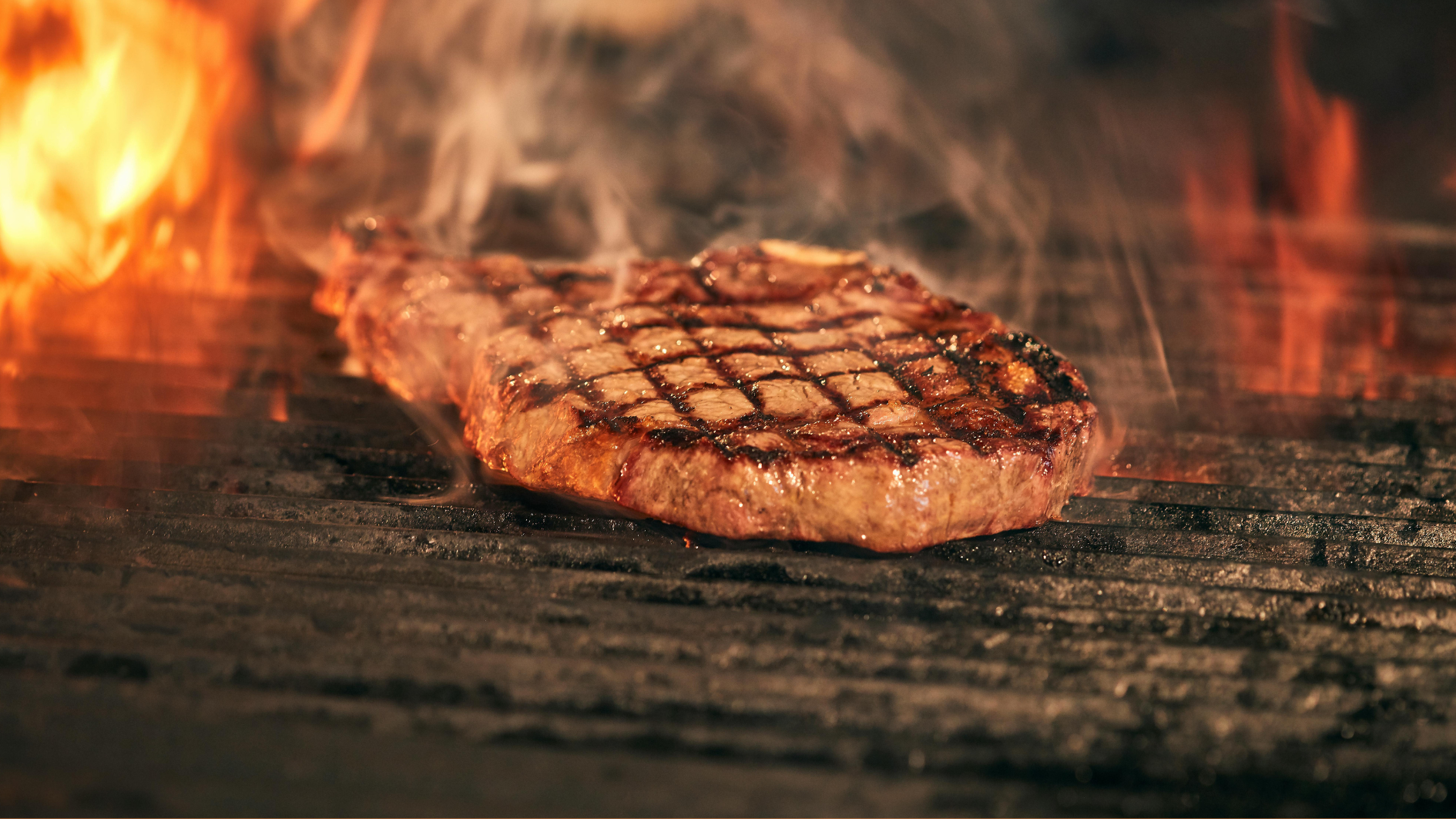
Transitioning from keto to carnivore is an act of biological simplification. By focusing on fatty ribeyes, eggs, and salt, the body is freed from the burden of processing modern dietary irritants, allowing it to thrive on the ancestral fuels it was designed to utilize. Consistency and a focus on high-fat ratios are the keys to making this transition a sustainable and comfortable success.