
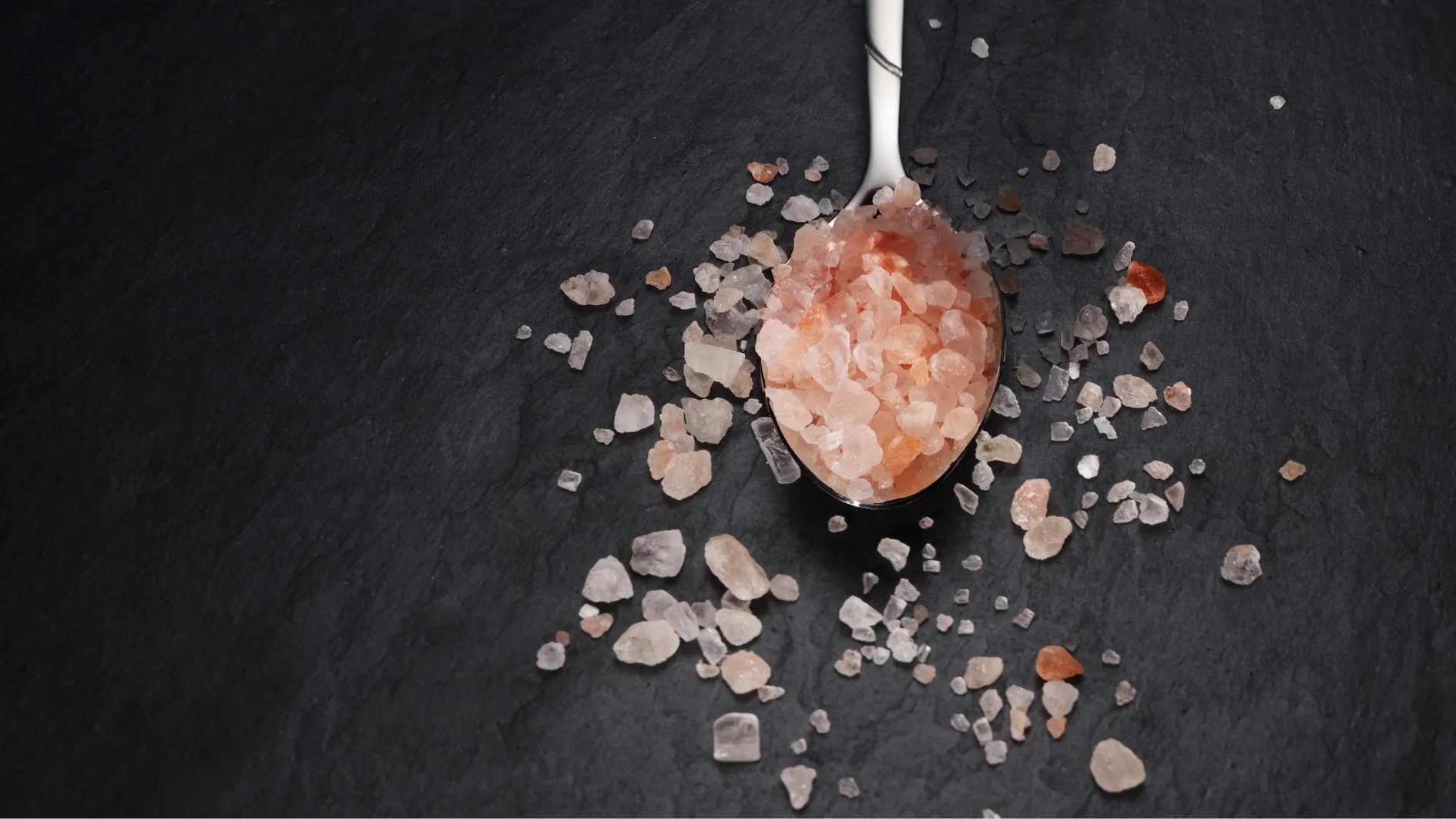
Salt has carried an unfair reputation for decades. In many wellness circles, sodium gets framed as a dietary villain to be strictly minimized. Yet from a cellular standpoint, sodium is an indispensable electrolyte your body depends on for fundamental processes, including cell membrane potential, nerve transmission, muscle contraction, and hydration balance.
What often gets left out of the conversation is a crucial distinction: the quality and processing of the salt you actually eat.
Just as there is a vast difference between whole, nutrient-dense foods and ultra-processed alternatives, salt varies widely depending on its source and how it is refined. Understanding these differences empowers you to make better choices for your metabolic and overall wellness.
Why Your Body Needs Sodium
To appreciate salt quality, it helps to remember why your body requires sodium in the first place.
Every cell relies on sodium-potassium pumps (Na+/K+-ATPase) embedded in the cell membrane. These pumps maintain the electrical voltage across your cell membranes, which is essential for transporting nutrients into cells, maintaining fluid balance, and supporting communication throughout the cardiovascular and nervous systems.
When sodium intake drops too low, or when electrolytes fall out of balance, cellular efficiency declines. The question is not whether salt is necessary. The question is which form of salt best supports your body.
Industrial Table Salt vs. Unrefined Natural Salts
The most commonly consumed salt in modern diets is standard refined table salt. While all salt is primarily sodium chloride (NaCl), the structural integrity, trace mineral profile, and processing methods vary dramatically.
Highly Refined Table Salt
- Processing: Mined from underground deposits or extracted through solution mining, standard table salt is heavily industrialized and heated to extreme temperatures, often exceeding 1,200 degrees Fahrenheit. This intense heat alters the natural crystalline structure.
- Chemical additives: During refinement, trace minerals are stripped away. Anti-caking agents, such as sodium aluminosilicate or potassium ferrocyanide, are frequently added to prevent clumping and keep the salt pouring smoothly.
- Synthetic iodine: Iodine is typically added back to help prevent widespread iodine deficiency, though table salt lacks the complementary co-factors found in whole food sources.
Unrefined Natural Salts
- Processing: Unrefined salts, such as Celtic gray sea salt, Himalayan pink salt, or Redmond Real Salt, are harvested through natural evaporation or traditional surface mining without heavy chemical processing or high-heat bleaching.
- Trace minerals: Because they remain unrefined, these salts retain 60 to 80 essential trace minerals, including magnesium, potassium, calcium, trace iron, and sulfur.
- Biological synergy: Trace minerals act like biochemical spark plugs. When sodium arrives alongside its naturally occurring mineral partners, your body absorbs and uses the electrolytes more harmoniously, which helps prevent harsh spikes in blood fluid volume.
Key Salt Varieties Compared
When you look at different salts, both the processing level and the mineral profile matter.
- Highly refined table salt: Heavily bleached and heated, resulting in isolated sodium chloride at around 99 percent, along with anti-caking agents and synthetic iodine. Primarily suited for industrial food manufacturing.
- Pink Himalayan salt: Hand-mined and minimally processed, with trace amounts of iron oxide, magnesium, calcium, and potassium. A great fit for everyday cooking and hydration routines.
- Celtic or gray sea salt: Sun-dried with high moisture retention and rich in magnesium, with a naturally lower sodium ratio. Excellent as a finishing salt.
- Redmond Real Salt: Harvested from an ancient seabed, unrefined, domestic, and rich in natural minerals. Well suited for general cooking and electrolyte drinks.
Hydration Takes More Than Water
A common misconception is that good hydration simply means drinking large amounts of plain water. In reality, over-consuming plain water without enough electrolytes can dilute serum sodium levels, a condition known as hyponatremia, which can leave you feeling fatigued, foggy, and low on performance.
Combining clean, mineral-rich salt with pure water allows your cells to pull fluid across their membranes through osmosis. Adding a pinch of unrefined sea salt to your water provides the trace minerals that keep your cellular pumps running efficiently throughout the day.
Key Takeaways for Everyday Health
- Prioritize unrefined sources. Choose natural pink, gray, or unrefined rock salts over bright white, highly processed table salts loaded with anti-caking additives.
- Value the trace elements. The natural color in salt, whether subtle pink, gray, or red, signals supportive trace minerals like iron, magnesium, and potassium.
- Focus on balanced electrolytes. Proper hydration is a balance of fluid and minerals. Replenishing sodium alongside trace minerals supports steady energy and cellular health.
Salt is not the enemy. Quality is the difference. When you choose unrefined, mineral-rich salt and pair it with clean water, you give your body the foundation it needs to thrive.