
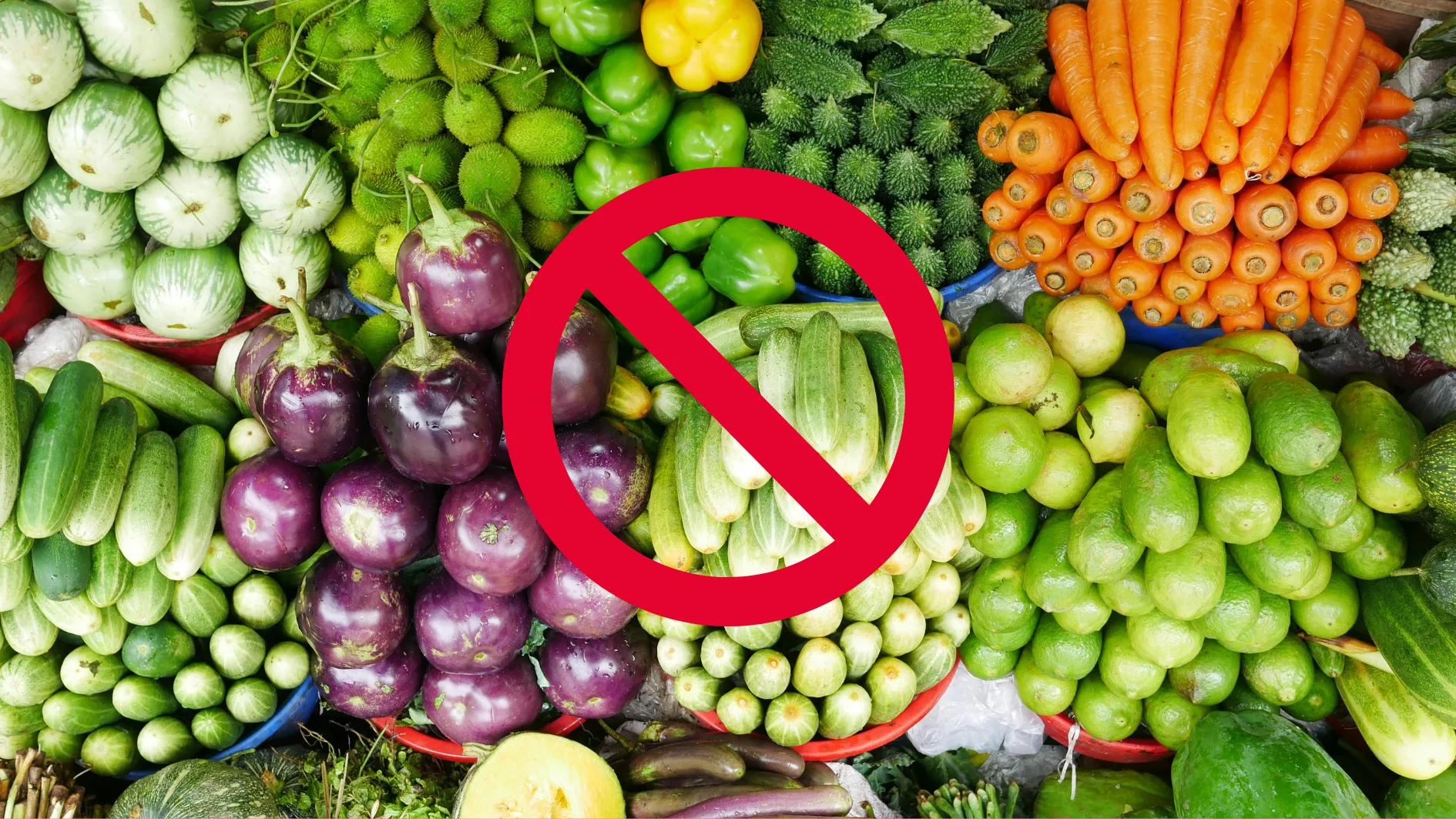
When you set out to support fertility, balance your hormones, and restore reproductive health, conventional nutrition often points you toward a high-plant, grain-heavy plate built on whole grains, legumes, fruits, and greens. From a ketogenic and carnivore perspective, that advice may have it backwards.
For many women, a diet loaded with plant matter can introduce a hidden metabolic trap: insulin resistance driven by plant carbohydrates and made worse by plant defense chemicals.
Chronically elevated insulin does more than disrupt blood sugar. It can influence ovarian function, interfere with ovulation, and work against hormonal harmony. Here is why going heavy on plants may challenge your ovaries, and how an animal-based, carnivore lifestyle can help you create a better environment for them.
1. The Carnivore Critique of Plants: Carbs, Toxins, and Inflammation
Mainstream nutrition tends to treat plants as pure health foods. A carnivore lens highlights two metabolic concerns worth understanding.
The Carbohydrate Trap
Grains, starches, legumes, beans, and sweet fruits are rich in carbohydrates. Once digested, these carbohydrates raise blood glucose. Your pancreas responds by releasing insulin to clear that sugar. Over time, repeated spikes can set the stage for insulin resistance.
Plant Defense Chemicals and Gut Health
Unlike animals, plants cannot run from predators. To protect themselves, they produce compounds often called anti-nutrients, including lectins, oxalates, phytates, and phytoestrogens. For some people, these compounds can irritate the gut lining, contribute to intestinal permeability, and feed low-grade inflammation. That ongoing inflammation can interfere with how cells respond to insulin, deepening insulin resistance.
2. How Insulin Resistance Can Affect the Ovaries
Insulin is a powerful storage hormone. When muscle, liver, and fat cells become resistant to it, insulin levels in the bloodstream can climb, a state known as hyperinsulinemia.
While other tissues may become less responsive to insulin, the ovaries often remain highly sensitive to it. That sensitivity can place them at the center of the changes linked to high circulating insulin.
- Increased androgen production: High insulin can work alongside Luteinizing Hormone (LH) in the ovarian theca cells, signaling them to produce more androgens such as testosterone. Elevated androgens can interfere with follicle maturation and contribute to a lack of ovulation.
- Lower SHBG levels: Insulin can prompt the liver to make less Sex Hormone-Binding Globulin (SHBG). With less SHBG available to bind free testosterone, more unbound hormone circulates, which some women connect to cystic acne, unwanted facial hair, and hair thinning.
- Follicular arrest: When high insulin and elevated androgens disrupt final egg maturation, underdeveloped follicles can accumulate on the ovaries, which may show up as cycle irregularities.
3. The Ketogenic and Carnivore Approach to Ovarian Health
To support your ovaries, it helps to address the roots of the problem: hyperinsulinemia and systemic inflammation. By removing the common drivers of metabolic dysfunction and returning to a species-appropriate way of eating, you give your hormonal system room to reset.
- Reduce plant toxins and carbs: Step away from grains, seed oils, sugars, and high anti-nutrient vegetables that raise your glucose and may inflame your gut.
- Prioritize nutrient-dense animal foods: Build your plate around fatty meats, pasture-raised eggs, bone broth, and seafood. Animal foods offer highly bioavailable protein and essential fats, including cholesterol, a key building block for progesterone, estrogen, and testosterone.
- Keep insulin low: A zero to low carb carnivore approach helps keep blood glucose stable and insulin steady, giving your ovarian tissue a break from constant hormonal signaling.
The Takeaway
Your ovaries are remarkably sensitive metabolic organs. If a plant-heavy diet is raising your glucose, spiking your insulin, and adding plant toxins to the mix, your reproductive health may feel the effects.
By shifting away from plant carbohydrates and embracing a nutrient-dense, animal-based ketogenic or carnivore lifestyle, you can work toward lower insulin, calmer inflammation, and a cleaner environment for your ovaries to thrive. You have more power over your metabolic health than you have been told, and every meal is a chance to use it.