
When you adopt a low-carb, ketogenic, or carnivore lifestyle, intermittent fasting often feels like a natural next step. Fat and protein stabilize blood sugar and calm appetite, so skipping a meal tends to happen almost effortlessly. The trouble starts when natural satiety turns into forced restriction, when the focus shifts to tracking hours, skipping meals out of sheer discipline, or pushing through hunger signals.
Through the lens of hormonal balance, fertility, and cellular health, the way you frame your food intake matters as much as the macros on your plate. Reframing intermittent fasting as intermittent feasting creates a powerful shift. It moves the body from a state of perceived famine into one of biological abundance, and that is where the benefits of a keto or carnivore lifestyle really open up.
The Physiology of Fasting vs. the Biology of Fear
Short-term fasting supports powerful repair mechanisms. Pausing food intake encourages autophagy, the body's cellular cleanup process, supports insulin sensitivity, and helps lower systemic inflammation. These outcomes align beautifully with the goals of keto and carnivore eating.
But human biology is always reading its environment. When fasting is approached with a restrictive mindset, built around delaying meals, cutting calories, or testing willpower, the brain can sense stress rather than healing.
- The stress response: Perceived scarcity signals the hypothalamic-pituitary-adrenal (HPA) axis to release cortisol and adrenaline.
- The hormonal cascade: Ongoing cortisol elevation raises blood sugar through gluconeogenesis, can disrupt thyroid output, and signals the reproductive system that conditions may not be safe for optimal hormone production or fertility.
Even on a low-carb or animal-based diet, fasting driven by a starvation or calorie-restriction mindset can unintentionally mimic the famine conditions of our ancestors.
Enter Intermittent Feasting: Restoring the Signal of Abundance
Intermittent feasting shifts the focus entirely. Fasting still happens, as a natural outcome of satiety, but the emphasis moves to the eating window. Instead of treating a meal as a brief break from starvation, you see the fast simply as preparation for a deeply nourishing, nutrient-dense feast.
On keto and carnivore, this shift supports the body in meaningful ways.
1. Calming the HPA Axis and Cortisol
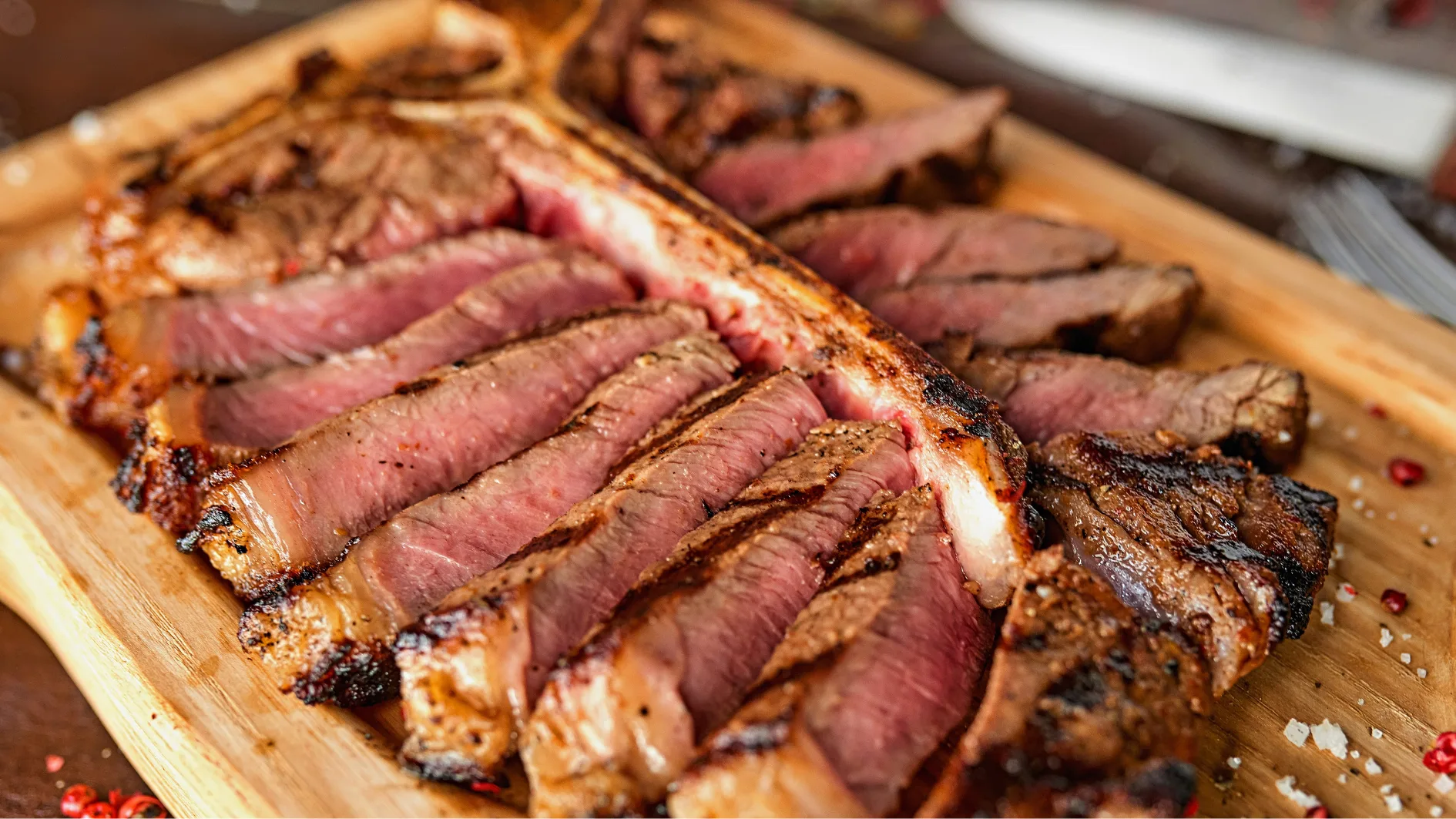
Anticipating nutrient-dense foods like ribeye steak, eggs, butter, and organ meats signals safety to the central nervous system. Operating in a parasympathetic, rest-and-digest state supports gut motility, digestive enzyme secretion, and nutrient absorption.
2. Fueling Endocrine and Reproductive Function
Steroid hormones, including estrogen, progesterone, and testosterone, are built from cholesterol and essential fatty acids. Intermittent feasting makes sure that during your nourishment windows the body receives generous amounts of bioavailable animal fats and proteins, giving the thyroid, adrenals, and ovaries the raw materials they rely on.
3. Preventing Metabolic Down-Regulation
Chronic caloric restriction can cause the resting metabolic rate to drop as the body works to conserve energy. By eating to complete satiety during feasting windows, you help the body hold its baseline metabolic rate, build lean tissue, and use fat efficiently without slipping into a starvation response.
How to Implement Intermittent Feasting on Keto and Carnivore
- Reframe the goal. Focus on the feast, not the clock. Pour your mental energy into deeply nourishing the body rather than counting hours of deprivation.
- Prioritize animal-dense nutrition. Emphasize fatty meats, quality protein, and healthy fats. Ribeyes, ground beef, eggs, butter, and tallow keep insulin stable while delivering essential nutrients and cholesterol.
- Eat to complete satiety. Set aside calorie counting and portion control. Eating until comfortably full signals total metabolic security, keeping stress hormones low and preventing post-fast cravings or fatigue.
- Honor your body's signals. Let fasting adapt to your stress, sleep, and energy demands. If hunger shows up alongside irritability or fatigue, end the fast with a nourishing meal.
The Metabolic Bottom Line
A metabolic reset does not require punishment or chronic restriction. The body thrives when it feels secure, well fueled, and fully supported.
When you approach dietary timing through the lens of intermittent feasting, the core gifts of keto and carnivore, stable blood sugar, robust energy, lower inflammation, and mental clarity, become far easier to reach, without triggering the hormonal downsides of perceived starvation.
True health is built on abundance. Give your body the raw materials it needs, and it will flourish.