
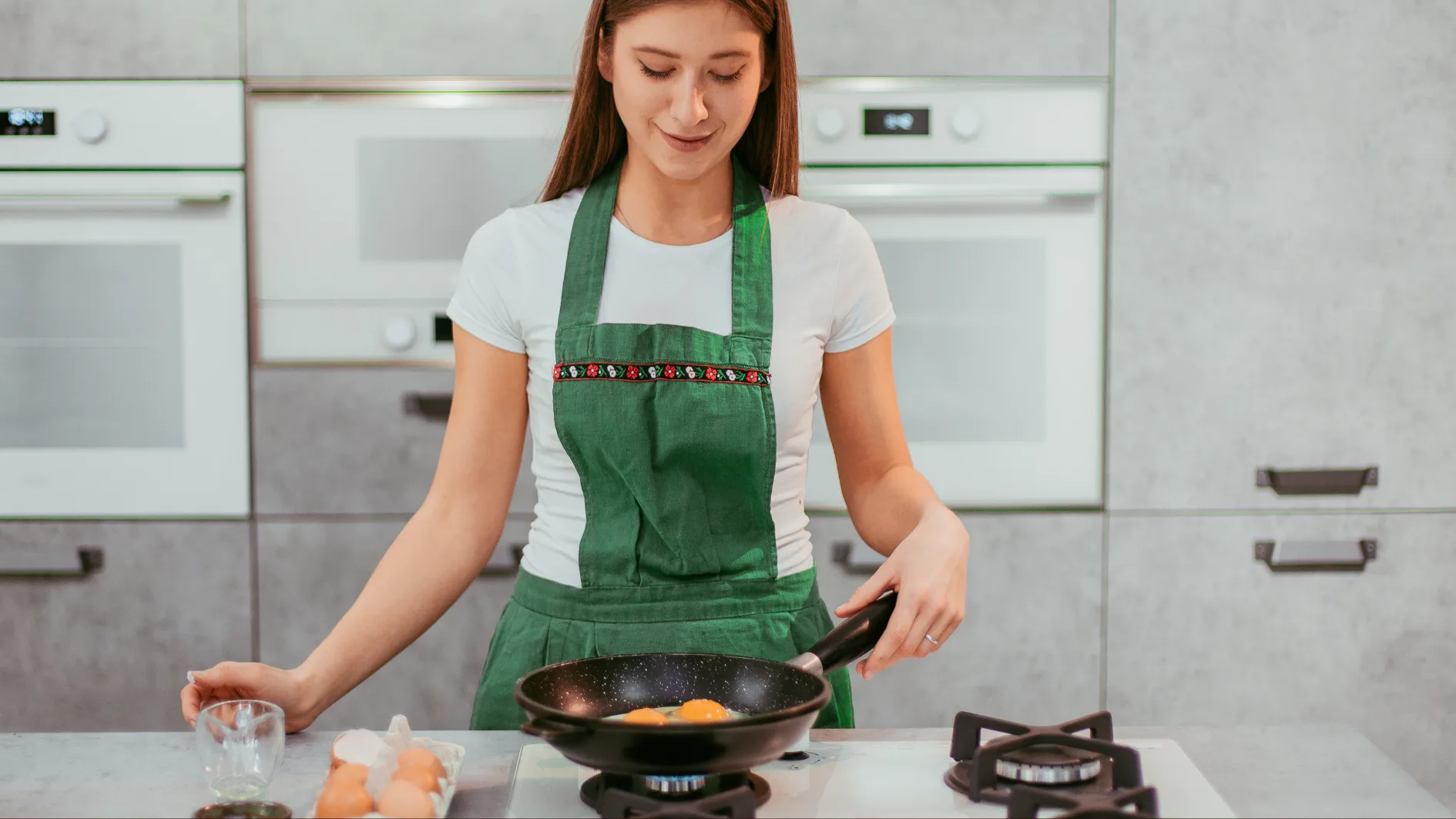
When you think about ways to feel calmer and lift your mood, the kitchen might not be the first place that comes to mind. Yet stepping up to the stove holds real potential for your well-being. Beyond nourishing your body with vital nutrients, the simple act of preparing a meal offers an accessible, science-backed way to elevate your mood and cultivate daily happiness.
Here is a look at the biological and psychological reasons cooking can make you happier, and how turning simple ingredients into a meal can become a powerful form of self-care.
1. Cooking as an Act of Mindfulness
Mindfulness is often linked to meditation, but focused attention can arise just as naturally during everyday tasks. Chopping vegetables, measuring spices, and listening to the gentle sizzle of a pan all ask for your presence.
When your attention centers on the senses, the color of fresh produce, the aroma of simmering herbs, or the rhythm of a knife on a cutting board, your mind shifts away from stress and rumination. Psychologists call this a grounding exercise. By anchoring your focus in the present moment, cooking helps calm an overactive nervous system, lower cortisol, and ease anxiety.
Key takeaway: Sensory engagement during meal prep acts as a natural circuit breaker for daily stress, giving your mind a peaceful, productive place to rest.
2. The Neurological Spark of Small Accomplishments
In psychology and occupational therapy, cooking is frequently used as a form of behavioral activation. Completing a structured task with a tangible reward lights up the brain's reward pathway, prompting a release of dopamine, the neurotransmitter tied to satisfaction, motivation, and pleasure.
Unlike many modern obligations that feel endless or abstract, cooking follows a clear and rewarding arc:
- A clear objective: Choose a recipe or gather your favorite ingredients.
- An active process: Follow a sequence of manageable physical steps.
- An immediate result: Enjoy a delicious outcome created by your own hands.
This simple cycle sends a powerful signal that effort leads directly to reward, building confidence and a brighter outlook.
3. Culinary Creativity as Emotional Expression
Creativity is deeply tied to emotional resilience and happiness. Cooking offers a low-pressure outlet to experiment, improvise, and express who you are. Adjusting seasonings, trying a new technique, or plating a meal thoughtfully all stimulate cognitive flexibility.
Research suggests that small, daily creative pursuits correlate with higher self-reported happiness and more positive energy the following day. The kitchen becomes a personal laboratory where curiosity is welcome and small experiments yield tasty, immediate results.
4. The Gut-Brain Axis: Nourishing Mood From Within
It is impossible to talk about the psychological benefits of cooking without pointing to its biological foundation: the gut-brain axis. The gastrointestinal tract is lined with hundreds of millions of neurons and produces roughly 90 percent of the body's serotonin, a key player in mood and emotional stability.
When you prepare meals at home with fresh, nutrient-dense ingredients like healthy fats, quality proteins, and vibrant vegetables, your digestive system receives excellent fuel. Cooking consciously gives you control over ingredient quality and lets you leave out the inflammatory additives that can disrupt gut flora and drag down your energy.
5. Fostering Connection and Community
Food has always been one of humanity's most fundamental ways to connect. Preparing a meal for the people you love, or cooking alongside a partner or family member, encourages the release of oxytocin, often called the bonding hormone.
Sharing a home-cooked meal creates space for conversation, presence, and gratitude. And even when you cook solo, the act becomes a deep expression of self-care, reinforcing the habit of nourishing your own body and mind with intention. This is the heart of life in the Mighty Tribe: choosing daily practices that honor who you are becoming.
Bringing Happiness to the Hearth
Unlocking the emotional benefits of cooking does not require complex techniques or hours of elaborate prep. Start with simple, nourishing recipes made from wholesome ingredients, and let the natural benefits unfold.
Tonight, view your time in the kitchen not as a chore but as an opportunity. It can be a quiet sanctuary where you step away from the noise, engage your senses, and nourish both body and mind.