
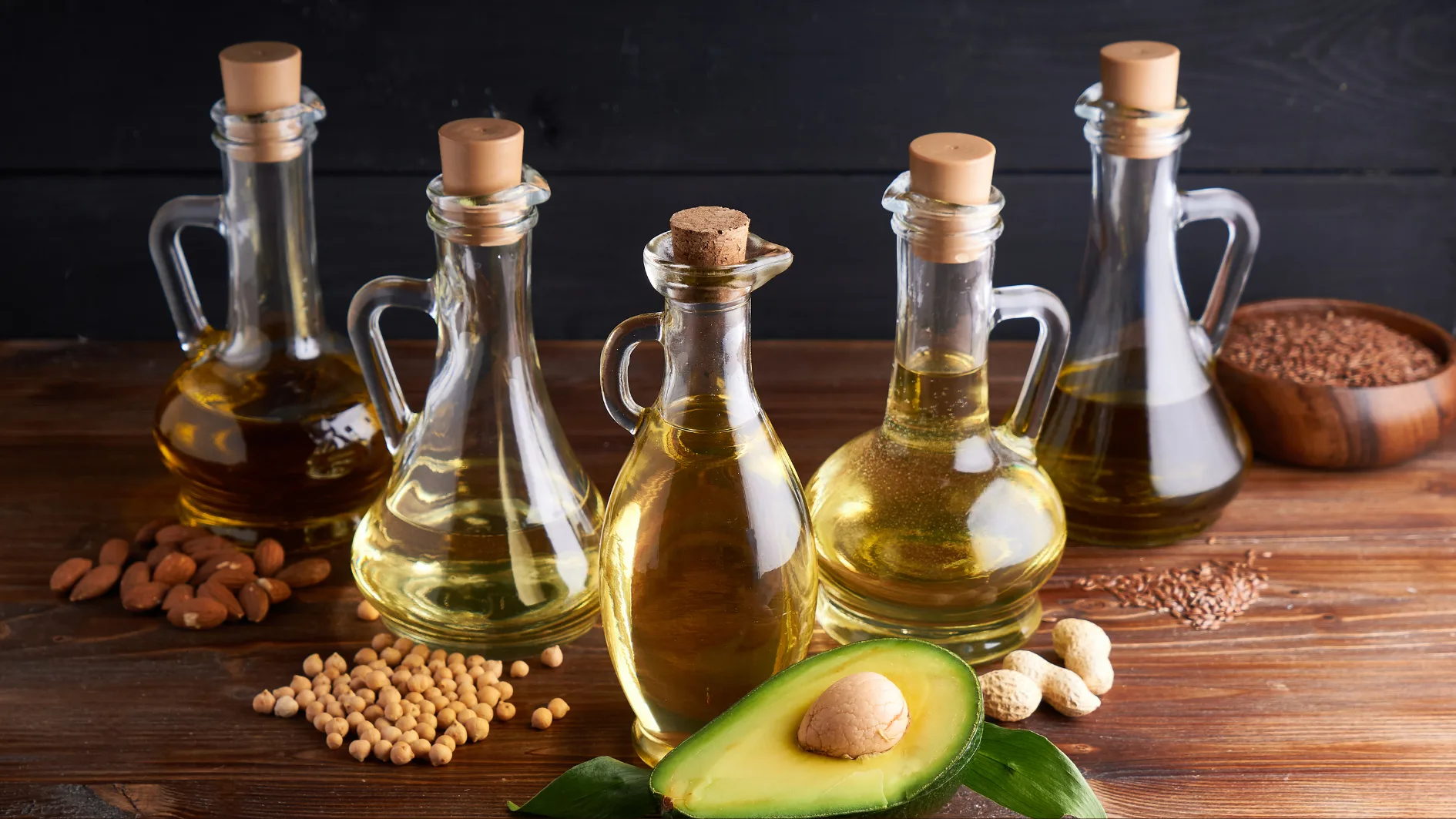
When you explore the foundations of vibrant health, metabolic flexibility, and strong fertility, your attention naturally turns to the nutrients that fuel your body at the cellular level. Just as important is identifying what might be quietly disrupting those systems. Among the most widespread yet overlooked dietary disruptors in the modern food supply are industrial seed oils.
Often marketed as heart-healthy alternatives to traditional fats, seed oils such as canola, soybean, corn, cottonseed, sunflower, safflower, and grapeseed oil are relatively recent additions to the human diet. Understanding how they behave in the body reveals why stepping away from them, and replacing them with the stable, nutrient-rich animal fats found in ancestral and carnivore eating, can be one of the most transformative steps you take toward calming inflammation and supporting healthy hormones.
What Are Seed Oils, and Why Are They a Problem?
Unlike traditional fats made through simple mechanical pressing or rendering, like butter, tallow, and lard, industrial seed oils go through an intensive, multi-step chemical process. Seeds are exposed to extreme heat, chemical solvents like hexane, bleaching agents, and deodorizers to create an odorless, palatable oil.
This harsh process destabilizes the oil's primary component: omega-6 polyunsaturated fatty acids, mostly linoleic acid. Saturated fats have stable molecular structures that resist heat and oxygen. Polyunsaturated fats contain multiple double bonds, which makes them fragile and prone to oxidation, both during manufacturing and cooking and inside your body.
Oxidative Stress and Cellular Inflammation
When you eat unstable, oxidized fats, they can integrate directly into cell membranes throughout the body. Inside the cell, these damaged lipids can set off a chain of oxidative stress and inflammation.
Over time, excess linoleic acid is associated with:
- Mitochondrial stress. Mitochondria are the cellular powerhouses that produce energy. Oxidized fats can strain mitochondrial membranes, which may contribute to low energy and slower tissue repair.
- Oxidized LDL. Rather than cholesterol itself being the concern, it is the oxidation of LDL particles, often linked to high polyunsaturated fat intake, that drives vascular inflammation.
- Chronic low-grade inflammation. Persistent inflammation acts as a background stressor on every system, from the cardiovascular network to the endocrine system.
The Carnivore Connection: Removing Antinutrients and Seed Oils
The growing movement toward carnivore and animal-based eating rests on a simple idea. When you remove modern plant toxins, refined carbohydrates, and chemically processed oils, you give your body pure, highly bioavailable nourishment.
By removing seed oils alongside plant antinutrients like oxalates and lectins, an animal-centric approach clears away major drivers of gut permeability and inflammation. Instead of asking your digestive system to process highly reactive plant oils, a carnivore approach fuels you with stable fats humans are well equipped to digest.
Why Animal Fats Like Butter, Ghee, and Tallow Shine
Replacing fragile, oxidized seed oils with stable, nutrient-dense animal fats supports healthier cellular biology. Saturated and monounsaturated animal fats have strong bonds that stay stable under heat and resist oxidation inside the body.
The Gold-Standard Fats
- Grass-fed butter and ghee. Butter and its clarified counterpart, ghee, are rich in butyrate, a short-chain fatty acid that nourishes the gut lining, and conjugated linoleic acid. They also carry the fat-soluble vitamins A, D, E, and K2, which support calcium regulation, bone health, and reproductive function.
- Beef tallow and lard. Tallow, rendered from beef or sheep fat, and pasture-raised lard closely mirror the fatty acid makeup of human cell membranes. Tallow has a high smoke point, which makes it ideal for cooking without generating harmful compounds.
- Bacon grease and duck fat. These naturally rendered fats provide clean energy without spiking insulin or driving lipid oxidation.
The Impact on Hormones and Reproductive Health
If you want to support fertility or hormone balance, fat quality matters. Steroid hormones, including estrogen, progesterone, and testosterone, are built from cholesterol and saturated fat.
Eggs and sperm are among the most metabolically active cells in the body. Replacing stable, natural animal fats with chemically processed seed oils can deprive the endocrine system of the building blocks it prefers while adding oxidative stress to reproductive tissues. Feeding your body natural saturated animal fats provides the structural building blocks that support egg quality, sperm viability, and healthy hormone signaling.
Final Thoughts
Optimal health begins by removing the dietary elements that create unnecessary cellular stress. When you step away from industrial seed oils and embrace the time-tested nourishment of animal fats like grass-fed butter, ghee, and tallow, you give your cells the clean, stable fuel they need to calm inflammation, support balanced hormones, and thrive.